In Stock
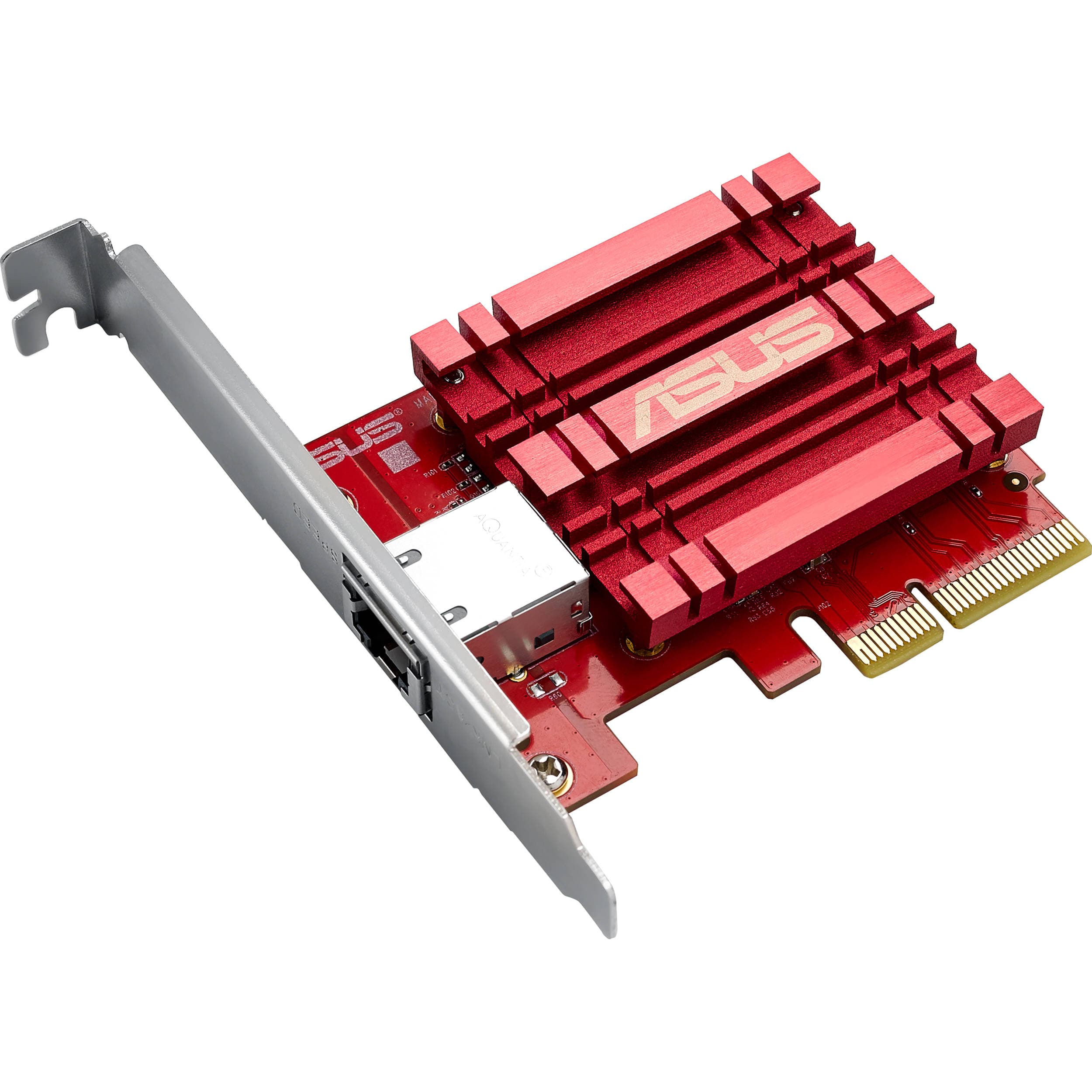
ASUS XG-C100C 10G Network Adapter | 10 GbE, PCIe, Desktop
ASUS
MPN: XG-C100C
$99.99
Free shipping on orders over $500
Authorized Dealer — Full manufacturer warranty
Key Features
- 10GBase-T network technology
- Up to 10 Gbps data transfer rate
- PCIe host interface
- Copper Ethernet connectivity
- Backward-compatible networking design
- Desktop and workstation deployment focus
- Accelerate desktop networking with up to 10 Gbps throughput
- Upgrade existing systems using PCIe expansion
Remove the network bottleneck from high-demand desktops. ASUS XG-C100C brings 10GBase-T connectivity to PCIe-based systems, delivering up to 10 Gbps over standard copper cabling. That makes it a strong fit for workstations, content creation rigs, and home labs that move large files, stream data from NAS platforms, or depend on faster access to shared resources.
Backward compatibility matters in real deployments, and this adapter is designed to work with existing Ethernet environments while giving you a clear path to 10 GbE performance. The result is a practical upgrade for teams that need more bandwidth without changing the entire cabling strategy.
Compared with standard gigabit adapters, XG-C100C offers the headroom needed for large media projects, backup windows, and data-intensive workflows. It is a focused upgrade for users who know exactly where their bottleneck is and want a direct path around it.
Ideal For
- Creative workstations moving large video and image files
- Home lab systems connecting to 10 GbE storage
- Desktop PCs requiring faster NAS access
- Small office systems upgrading from gigabit Ethernet
Why This Product
- 110 GbE performance versus standard gigabit adapters
- 2PCIe expansion versus USB network adapters
- 3Copper 10GBase-T versus fiber-only 10 GbE cards
- 4Desktop-focused design versus server-only NICs